

As a business owner in Montana, understanding common types of personal injury cases isn’t just about legal compliance—it’s about protecting your bottom line, safeguarding your reputation, and creating a safer environment for employees and customers alike. Personal injury claims can result in significant financial exposure, insurance premium increases, and operational disruptions that directly impact profitability.
This comprehensive guide examines the most frequent personal injury case types that affect businesses, with particular focus on liability considerations, risk mitigation strategies, and the financial implications for Montana business owners. Whether you operate a retail storefront in Billings, manage a construction company, or run a hospitality business, understanding these risks is essential to your enterprise risk management strategy.
Why Business Owners Must Understand Personal Injury Case Types
Personal injury claims represent one of the most significant liability exposures for businesses across all industries. According to industry data, the average cost of a personal injury claim can range from tens of thousands to millions of dollars, depending on severity and circumstances. Beyond direct settlement costs, businesses face:
- Increased insurance premiums and potential policy cancellations
- Legal defense costs that average $54,000 even for claims that don’t go to trial
- Reputational damage that impacts customer acquisition and retention
- Regulatory scrutiny and potential OSHA violations
- Lost productivity during investigations and legal proceedings
- Potential punitive damages in cases of gross negligence
Understanding the landscape of personal injury cases allows you to implement targeted risk management protocols, ensure adequate insurance coverage, and create a culture of safety that protects both people and profits.
Motor Vehicle Accidents: The Leading Source of Business Liability
Motor vehicle accidents represent the most common type of personal injury case nationwide, and businesses with company vehicles, delivery fleets, or employees who drive for work purposes face substantial exposure. In Montana, where many businesses rely on transportation across vast distances, this risk is particularly pronounced.
Business Liability Considerations for Vehicle Accidents
Under the doctrine of vicarious liability or “respondeat superior,” employers can be held responsible for accidents caused by employees operating vehicles within the scope of their employment. This applies whether the employee is driving a company-owned vehicle, a rental, or even their personal vehicle for work purposes. Understanding car accident settlement amounts Montana businesses typically face can help you assess your insurance coverage adequacy and potential financial exposure.
Key risk factors for businesses include:
- Inadequate driver screening and background checks
- Lack of formal fleet safety policies and training programs
- Insufficient vehicle maintenance protocols
- Failure to monitor driver records and violations
- Allowing distracted driving (mobile device use while driving)
- Inadequate insurance coverage limits
Motorcycle Accidents and Business Exposure
While less common, businesses that employ motorcycle couriers, encourage or sponsor employee motorcycle activities, or operate in the motorcycle tourism industry face unique liability considerations. Montana’s scenic highways attract significant motorcycle traffic, particularly during summer months. Given the severity of injuries typically associated with motorcycle accidents, understanding Montana motorcycle accident statistics and claims helps businesses operating in this space implement appropriate safety protocols and maintain sufficient coverage.
Premises Liability: Slip and Fall Accidents
Premises liability cases, particularly slip and fall accidents, represent the second most common type of personal injury claim affecting businesses. These incidents occur when someone is injured on your property due to hazardous conditions, and they can happen in virtually any business environment—retail stores, office buildings, restaurants, hotels, or industrial facilities.
For Billings business owners, seasonal weather changes create additional challenges, with ice, snow, and moisture creating hazardous conditions during Montana’s winter months. However, liability extends well beyond weather-related hazards. The specific risks and liability implications of slip and fall accidents in Billings businesses require careful attention to property maintenance, documentation, and risk management protocols.
Common Premises Liability Scenarios
Businesses face premises liability exposure from numerous conditions, including:
- Wet or slippery floors without adequate warning signage
- Uneven walking surfaces, cracked pavement, or potholes
- Inadequate lighting in parking lots, stairwells, or walkways
- Defective stairs or handrails
- Cluttered walkways or trip hazards from merchandise or equipment
- Snow and ice accumulation without proper removal or treatment
- Falling objects from shelves or storage areas
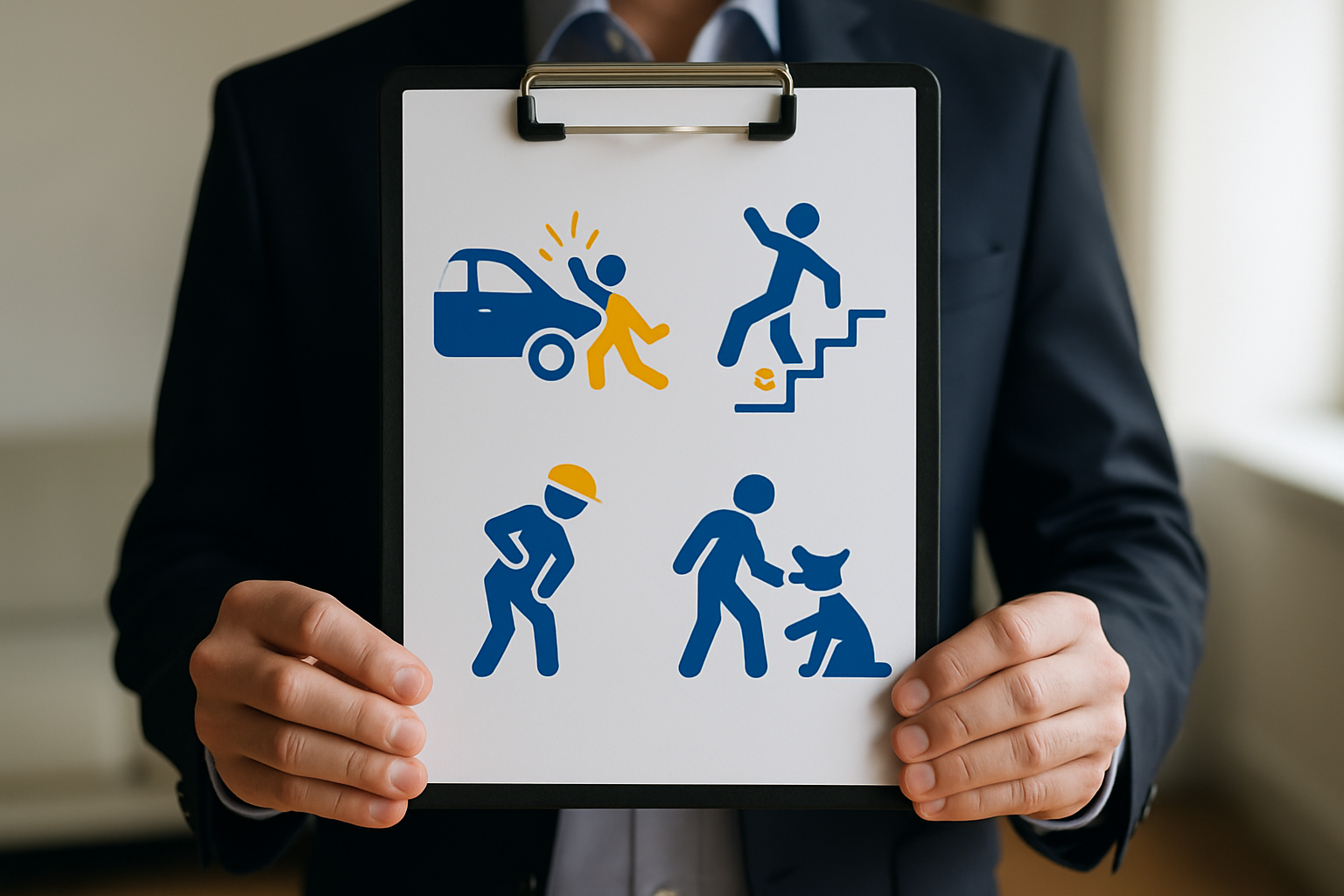
Duty of Care and Liability Standards
In Montana, businesses owe different levels of duty of care depending on the visitor’s legal status. Business invitees (customers) are owed the highest duty of care, requiring property owners to inspect for hazards and either remedy them or provide adequate warning. Understanding these distinctions is crucial for developing appropriate risk management strategies and determining potential liability exposure.
Workplace Injuries and Workers’ Compensation Interface
Workplace injuries represent a significant category of personal injury cases with unique considerations for business owners. While Montana’s workers’ compensation system typically provides the exclusive remedy for employee injuries, understanding when and how personal injury claims can arise in workplace contexts is essential for comprehensive risk management.
Workers’ Compensation as Primary Protection
Montana law generally requires employers to carry workers’ compensation insurance, which provides no-fault coverage for employee injuries arising out of and in the course of employment. This system protects employers from direct personal injury lawsuits by employees in exchange for providing guaranteed benefits regardless of fault. Understanding workmans comp laws and liability in Montana helps business owners ensure compliance and avoid gaps in coverage that could expose them to additional liability.
Third-Party Liability and Workplace Injuries
However, businesses can still face personal injury exposure related to workplace accidents through several channels:
- Third-party contractors: Independent contractors injured on your premises may file personal injury claims rather than workers’ compensation claims
- Product liability: Defective equipment or products that cause workplace injuries may trigger manufacturer liability claims
- Intentional acts: Workplace violence or intentional harmful acts fall outside workers’ compensation protection
- Dual capacity doctrine: In rare cases where an employer occupies two capacities (e.g., manufacturer and employer)
- Gross negligence exceptions: Some jurisdictions allow personal injury claims for egregious employer misconduct
Pedestrian Accidents: Growing Urban Liability Concerns
As Montana communities like Billings continue developing pedestrian infrastructure and encouraging walkable downtown districts, businesses face increasing exposure to pedestrian accident claims. These incidents can occur in parking lots, crosswalks adjacent to business properties, or through delivery vehicle operations in pedestrian-heavy areas.
Pedestrian accidents often result in severe injuries due to the vulnerability of pedestrians in vehicle interactions, making these claims particularly costly. Business owners operating delivery fleets, managing parking facilities, or maintaining properties in high-foot-traffic areas should understand the liability landscape and compensation frameworks detailed in pedestrian accident injury compensation analysis.
Business Risk Factors for Pedestrian Accidents
Key exposure areas include:
- Loading zones with inadequate pedestrian controls
- Parking lots with poor visibility or unclear pedestrian pathways
- Delivery operations during peak pedestrian traffic times
- Inadequate lighting in areas with pedestrian activity
- Failure to maintain crosswalks or pedestrian signals on adjacent property
Product Liability Cases
Businesses that manufacture, distribute, or retail products face potential personal injury claims when defective products cause harm to consumers. Product liability operates under strict liability principles in many jurisdictions, meaning a business can be held liable regardless of negligence if a product defect causes injury.
Three Types of Product Defects
Product liability claims typically arise from three defect categories:
- Design defects: Inherent flaws in product design that make it unreasonably dangerous
- Manufacturing defects: Errors in production that create dangerous conditions not present in properly manufactured units
- Marketing defects: Inadequate warnings, instructions, or labeling that fail to alert users to risks
Even retailers who don’t manufacture products can face liability claims, making adequate product liability insurance and vendor indemnification agreements crucial components of risk management.
Medical Malpractice and Professional Liability
Healthcare providers, including hospitals, clinics, and private practices, face specialized personal injury exposure through medical malpractice claims. These cases arise when healthcare professionals deviate from accepted standards of care, resulting in patient harm.
Beyond traditional healthcare settings, businesses offering wellness services, spa treatments, or other body-related services may face similar professional liability claims. Adequate professional liability insurance, rigorous credentialing processes, and comprehensive documentation protocols are essential for managing this exposure.
Dog Bites and Animal Liability
Businesses that allow animals on premises, operate pet-related services, or employ service animals face potential liability for animal-related injuries. Montana follows a “one bite rule” with statutory modifications, meaning liability often depends on whether the owner knew or should have known of the animal’s dangerous propensities.
For businesses considering pet-friendly policies to attract customers, understanding the liability implications and insurance requirements is essential before implementation.
Navigating the Personal Injury Claims Process
When a personal injury incident occurs involving your business, immediate and appropriate response can significantly impact the outcome and cost. Understanding personal injury claims process Montana businesses navigate helps you prepare response protocols and work effectively with insurance carriers and legal counsel.
Immediate Response Protocol
Businesses should implement standardized incident response procedures including:
- Immediate medical attention for injured parties
- Securing the scene and preserving evidence
- Documenting conditions through photographs and written reports
- Collecting witness information and statements
- Notifying insurance carriers within required timeframes
- Avoiding statements of fault or liability
- Engaging legal counsel when appropriate
Risk Management Strategies to Prevent Personal Injury Claims
Proactive risk management delivers measurable ROI through reduced claims frequency, lower insurance costs, and avoided business disruptions. Effective strategies include:
Comprehensive Safety Training Programs
Regular employee training on safety protocols, hazard identification, and proper equipment use creates a culture of safety while demonstrating due diligence in potential litigation. Document all training activities and maintain records of employee participation.
Regular Property Inspections and Maintenance
Implement scheduled inspection protocols with documented checklists. Address identified hazards immediately or implement interim protective measures while permanent solutions are arranged. Maintenance records serve as critical evidence of reasonable care.
Adequate Insurance Coverage Review
Annual insurance reviews ensure coverage limits remain adequate as your business grows and exposure evolves. Consider umbrella policies for catastrophic loss protection and evaluate whether specialized coverage (professional liability, product liability, cyber liability) is needed for your industry.
Written Policies and Procedures
Documented safety policies, incident response procedures, and maintenance protocols demonstrate organizational commitment to safety and provide frameworks for consistent implementation across your operation.
Contractual Risk Transfer
Strategic use of indemnification clauses, insurance requirements for vendors and contractors, and limitation of liability provisions in customer agreements can shift or limit exposure. Consult legal counsel to ensure enforceability under Montana law.
The Financial Impact: Understanding Your Exposure
The true cost of personal injury claims extends far beyond settlement or judgment amounts. Business owners should calculate total exposure including:
- Direct costs: Settlements, judgments, and legal defense fees
- Insurance impact: Premium increases averaging 20-30% following claims, potential policy non-renewal
- Operational disruption: Management time diverted to litigation, employee testimony, and investigation compliance
- Reputational damage: Online reviews, media coverage, and word-of-mouth impacts on customer acquisition
- Regulatory consequences: OSHA citations, licensing implications, and enhanced scrutiny
For a mid-sized business, even a moderate personal injury claim can represent six figures in total impact when all factors are considered. This reality underscores the importance of prevention-focused investment and adequate insurance protection.
Conclusion: Transforming Liability Awareness into Competitive Advantage
Understanding common types of personal injury cases enables Montana business owners to transform legal compliance from a cost center into a competitive advantage. Businesses known for exceptional safety records attract better employees, secure more favorable insurance rates, and build customer trust that translates to loyalty and positive word-of-mouth.
The investment in comprehensive risk management—training programs, facility improvements, insurance adequacy, and legal compliance—delivers measurable returns through avoided claims, reduced premiums, and enhanced reputation. Moreover, should an incident occur despite preventive efforts, documented safety protocols and swift appropriate response significantly improve defense positioning and outcome.
By taking a proactive, informed approach to the personal injury landscape, you protect not just against legal liability, but also safeguard the financial stability and reputation that you’ve worked to build. In today’s litigation environment, this knowledge isn’t optional—it’s a fundamental component of responsible business ownership.