

For small business owners in Montana, understanding the personal injury claims process is essential for protecting your company’s financial health and maintaining a safe environment for customers and employees. Whether you’re facing a claim from a customer injured on your premises or need to navigate liability issues, knowing what to expect can help you respond effectively and minimize business disruption.
Understanding Montana’s Personal Injury Claims Framework
Montana operates under a fault-based system for personal injury claims, meaning the party responsible for causing an injury is liable for damages. This framework applies to various scenarios, from slip and fall accidents in Billings businesses to more complex liability situations. As a business owner, you need to understand how this system works when claims arise against your company.
The state’s personal injury laws cover numerous situations, and familiarizing yourself with common types of personal injury cases can help you identify potential risks in your business operations. Montana law requires that claims be filed within three years from the date of injury, though certain circumstances may alter this timeline.
The Initial Claim Filing and Investigation Phase
When someone files a personal injury claim against your business, the process typically begins with notification to your insurance carrier. This initial phase is critical—how you respond can significantly impact the claim’s outcome and your long-term insurance costs.
During the investigation phase, insurance adjusters will:
- Review incident reports and documentation from your business
- Examine witness statements and any available video footage
- Assess the extent of injuries and medical records
- Evaluate potential liability and damages
- Determine if your business practices contributed to the incident
Your cooperation during this phase is essential, but it’s equally important to avoid making statements that could be construed as admissions of fault. Document everything thoroughly and consult with legal counsel before providing detailed statements to adjusters or claimants.
Documentation Best Practices
Maintaining comprehensive records protects your business interests throughout the claims process. Implement systems to document incidents immediately, including photographs of the scene, written statements from employees and witnesses, and detailed incident reports. These materials become invaluable during claim negotiations and potential litigation.
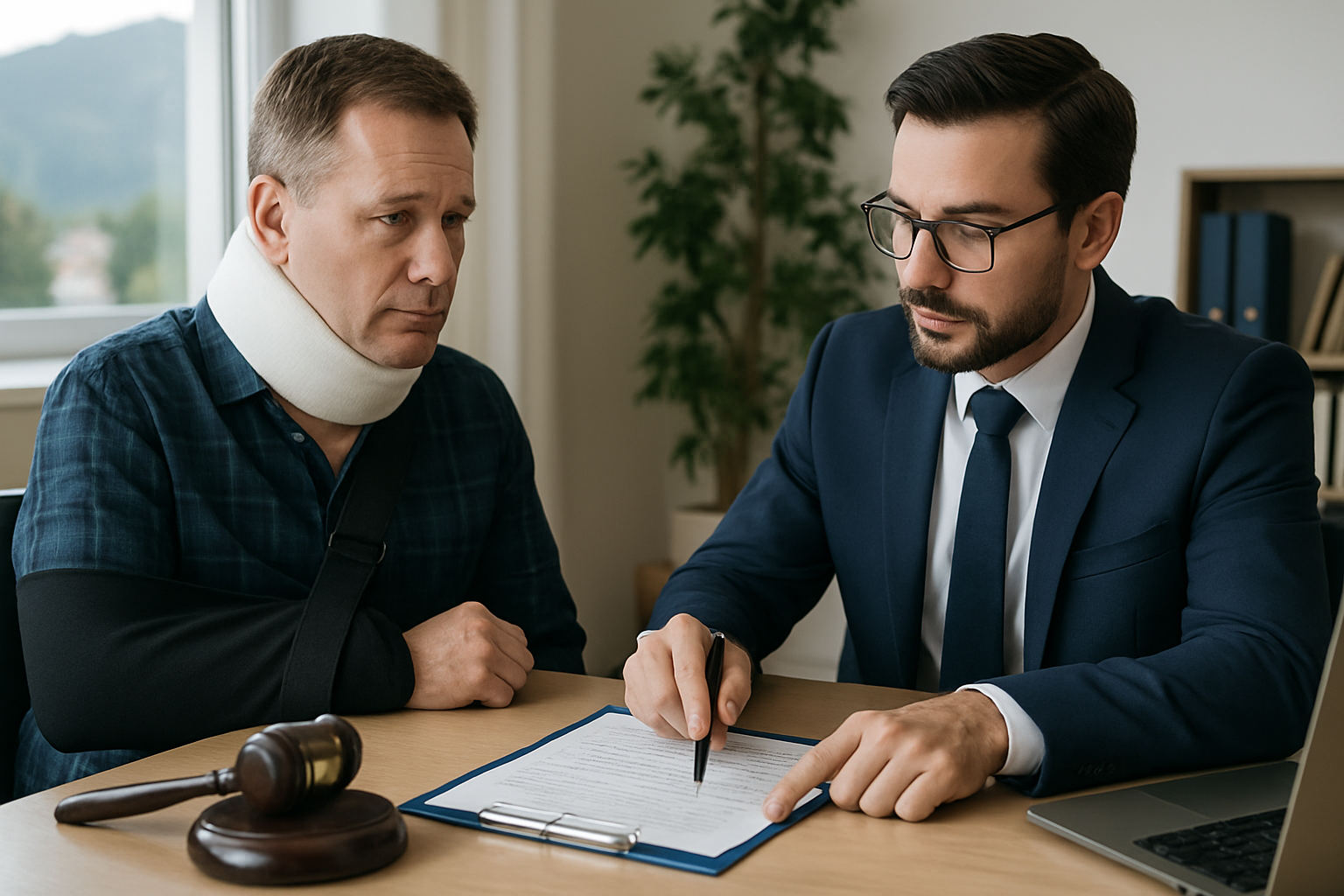
Negotiation and Settlement in Montana Claims
Most personal injury claims in Montana settle without going to trial, which typically benefits all parties by reducing legal costs and resolving matters more quickly. The negotiation phase involves back-and-forth communication between insurance representatives, attorneys, and the injured party.
Settlement amounts depend on multiple factors, including:
- Medical expenses (past and future)
- Lost wages and earning capacity
- Pain and suffering
- Property damage
- Degree of liability attributed to your business
Understanding compensation ranges for different injury types helps set realistic expectations. For instance, car accident settlement amounts Montana businesses face can vary significantly based on injury severity. Similarly, claims involving pedestrian accident injury compensation often command higher settlements due to the vulnerability of pedestrians and typically more severe injuries.
Montana’s Comparative Negligence Rule
Montana follows a modified comparative negligence standard, which can significantly impact settlement negotiations. Under this rule, if the injured party bears some responsibility for their injury, their compensation is reduced by their percentage of fault. However, if they’re found more than 50% at fault, they cannot recover damages.
This principle often becomes a focal point in negotiations, as demonstrating shared fault can substantially reduce your business’s liability exposure.
Special Considerations for Montana Business Owners
Certain industries face unique challenges in the personal injury claims process. Hospitality businesses, retail stores, and restaurants frequently encounter premises liability claims. Manufacturing and construction companies must navigate both general liability and workmans comp laws and liability in Montana.
If your business involves vehicle operations, understanding how Montana motorcycle accident statistics and claims trends might affect your commercial auto liability is important for risk management.
When Claims Proceed to Litigation
When settlement negotiations fail, claims may proceed to litigation. This phase involves formal discovery, depositions, and potentially a jury trial. Litigation is costly and time-consuming, making settlement preferable in most situations.
The litigation timeline in Montana typically includes:
- Filing of the complaint and your business’s response
- Discovery phase (document requests, interrogatories, depositions)
- Mediation attempts
- Pre-trial motions and conferences
- Trial preparation and proceedings
- Verdict and potential appeals
Throughout this process, maintaining open communication with your insurance carrier and legal counsel is essential for protecting your business interests.
Protecting Your Business Through Proactive Risk Management
The best approach to managing the personal injury claims process is preventing claims before they occur. Implement comprehensive safety protocols, maintain your premises diligently, train employees on risk awareness, and carry adequate insurance coverage.
Regular safety audits can identify potential hazards before they result in injuries. Document all preventive maintenance and safety training to demonstrate your commitment to protecting customers and employees—this documentation can prove invaluable if claims arise.
Review your insurance coverage annually to ensure it aligns with your current operations and risk exposure. As your business grows or changes, your insurance needs evolve accordingly.
Working With Legal and Insurance Professionals
Navigating Montana’s personal injury claims process effectively requires partnerships with experienced professionals. Establish relationships with insurance brokers who understand small business needs and attorneys familiar with Montana personal injury law before claims arise.
When facing a claim, prompt consultation with legal counsel helps you understand your rights, obligations, and strategic options. Your attorney can negotiate on your behalf, protect your interests during depositions and discovery, and represent your business in court if necessary.
For Montana small business owners, understanding the personal injury claims process isn’t just about managing current claims—it’s about building a foundation for long-term business resilience and protecting the enterprise you’ve worked hard to build.