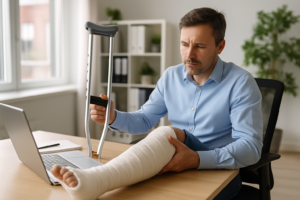

For small business owners, insurance premiums represent a significant operational expense—one that can fluctuate dramatically based on your company’s safety record. While many factors influence insurance costs, few offer as much control and immediate impact as workplace slip and fall prevention. Understanding the direct connection between prevention efforts and insurance savings can transform how you approach workplace safety.
The Direct Link Between Slip and Fall Prevention and Insurance Premiums
Insurance companies calculate premiums based on risk assessment, and your claims history serves as a primary indicator of future risk. Every slip and fall incident that results in a workers’ compensation claim signals to insurers that your workplace presents elevated hazards. The workplace slip and fall injury statistics and costs demonstrate why insurers take these incidents seriously—they account for billions in annual payouts nationwide.
When you implement effective prevention measures and reduce incident rates, insurers recognize your business as a lower-risk client. This recognition translates directly into reduced premiums during policy renewals. Montana businesses particularly benefit from this approach, as workers compensation slip and fall costs Montana employers face can be substantial given the state’s weather conditions and industry mix.
The Experience Modification Rate: Your Insurance Cost Multiplier
Most business owners don’t realize that workers’ compensation insurance uses an Experience Modification Rate (EMR or MOD) to adjust premiums. This multiplier compares your actual claims history against expected losses for businesses of your size and industry. An EMR of 1.0 represents average risk, while numbers above 1.0 indicate higher risk and increased premiums.
Here’s where prevention becomes financially powerful: A single serious slip and fall claim can elevate your EMR for three years or more. Conversely, maintaining a claim-free record can reduce your EMR below 1.0, earning you premium discounts that compound year after year. For a business paying $50,000 annually in workers’ compensation premiums, reducing your EMR from 1.2 to 0.9 could save $15,000 per year—money that goes directly to your bottom line.
Calculating Your Potential Savings
The cost of workplace slip and fall accidents extends beyond immediate medical expenses. Consider these cascading financial impacts that prevention addresses:
- Direct medical costs: Initial treatment, ongoing care, and rehabilitation expenses
- Indemnity payments: Lost wage compensation during slip and fall injury recovery time employees require away from work
- Premium increases: Elevated EMR affecting three subsequent policy years
- Deductible payments: Your share of claim costs under high-deductible policies
- Loss of claim-free discounts: Many insurers offer significant discounts for maintaining clean safety records

Proven Prevention Strategies That Reduce Insurance Costs
Insurance companies don’t simply reward good intentions—they respond to documented safety programs and measurable results. Implementing these evidence-based strategies demonstrates your commitment to risk reduction:
1. Establish a Comprehensive Safety Program
Develop written policies addressing slip and fall hazards specific to your workplace. Insurance underwriters review safety programs during policy evaluations, and robust documentation can justify lower premiums even before you’ve established a long claims-free history. Ensure your program addresses compliance with OSHA slip trip fall regulations businesses must follow.
2. Implement Regular Facility Inspections
Schedule daily, weekly, and monthly inspections targeting common slip and fall hazards. Document these inspections meticulously—your records prove proactive risk management to insurers and can help defend against fraudulent claims. Focus inspections on high-risk areas: entrances, restrooms, kitchens, and transition zones between different flooring types.
3. Address Seasonal Hazards Proactively
Montana businesses face unique challenges throughout the year. Understanding seasonal slip and fall trends Billings Montana experiences helps you prepare before hazards emerge. Develop seasonal protocols for ice management, snow removal, and tracking moisture during spring thaw periods. Insurers favor businesses that demonstrate seasonal preparedness.
4. Invest in Environmental Controls
Strategic investments in your physical environment deliver measurable returns through reduced claims. High-traction flooring, proper drainage systems, adequate lighting, and commercial-grade entrance matting systems prevent incidents before they occur. Many insurers offer upfront discounts for businesses that install approved safety equipment.
5. Train Employees as Safety Partners
Your team serves as your first line of defense against slip and fall hazards. Regular training empowers employees to identify and report hazards immediately, maintain housekeeping standards, and follow proper spill cleanup procedures. Document all training sessions—this evidence strengthens your position during insurance underwriting reviews.
Communicating Prevention Efforts to Your Insurance Provider
Many businesses implement excellent safety measures but fail to communicate these efforts effectively to their insurance providers. During policy renewals, proactively share documentation of your prevention program:
- Written safety policies and procedures
- Inspection logs and corrective action records
- Employee training attendance and certification records
- Capital improvements made to address slip and fall hazards
- Incident investigation reports showing root cause analysis
This documentation transforms abstract risk management into concrete evidence that justifies lower premiums. Some businesses work with insurance brokers to prepare comprehensive safety portfolios that maximize negotiating power during renewal discussions.
The Long-Term Financial Impact
The relationship between prevention and insurance costs creates a compounding benefit over time. Your first year of reduced claims begins lowering your EMR. As this improved rating carries through subsequent years, premium savings accumulate. Simultaneously, maintaining a strong safety record positions your business favorably when changing insurance carriers or negotiating policy terms.
For small businesses operating on tight margins, these savings can represent the difference between growth and stagnation. A Montana retail business that prevents just two slip and fall claims annually could redirect $20,000-$30,000 from insurance costs toward expansion, equipment upgrades, or employee compensation.
Taking Action Today
Reducing insurance costs through slip and fall prevention doesn’t require massive capital investment or operational disruption. Start with a thorough hazard assessment of your facility, establish basic documentation practices, and implement one improvement monthly. Small, consistent actions compound into significant premium reductions over time.
Remember that every day without a slip and fall incident strengthens your insurance position and protects your financial future. The question isn’t whether you can afford to invest in prevention—it’s whether you can afford not to.