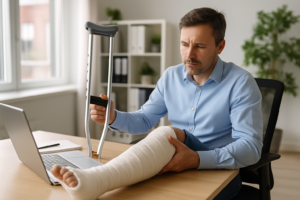

Workplace slip and fall accidents represent one of the most common and costly incidents facing businesses today. For small business owners, understanding the scope, financial impact, and prevention strategies surrounding these incidents isn’t just about compliance—it’s about protecting your bottom line, your employees, and your business’s long-term viability.
The Scope of Workplace Slip and Fall Incidents
According to the National Safety Council, slips, trips, and falls account for approximately 27% of all workplace injuries. These incidents result in over 8 million emergency room visits annually, making them the leading cause of visits to the ER. More critically for business owners, the Bureau of Labor Statistics reports that these accidents cause over 700 workplace fatalities each year.
These aren’t just statistics—they represent real costs to businesses like yours. Understanding OSHA slip trip fall regulations businesses must follow is essential, but the financial implications extend far beyond regulatory compliance.
Industry-Specific Vulnerability
Certain industries face elevated risks. Retail, hospitality, healthcare, and manufacturing sectors experience higher-than-average slip and fall incidents. In Montana, businesses operating in Billings and surrounding areas face additional challenges, with seasonal slip and fall trends Billings Montana businesses must account for in their safety planning.
Restaurant owners, for instance, face particularly acute risks due to wet floors in kitchen areas. Retail establishments must contend with weather-related hazards during Montana’s harsh winters. Healthcare facilities deal with frequent spills and the added liability of vulnerable populations.
The True Cost of Workplace Slip and Fall Accidents
When calculating the cost of workplace slip and fall accidents, most business owners dramatically underestimate the total financial impact. The average direct cost of a workplace fall is approximately $48,000, but this figure only tells part of the story.
Direct Costs
Direct costs are the immediately visible expenses associated with a slip and fall incident:
- Medical expenses: Emergency care, hospitalization, surgery, rehabilitation, and ongoing treatment
- Workers’ compensation claims: Wage replacement benefits and associated administrative costs
- Legal fees: Defense costs, settlements, or judgments if litigation occurs
- Insurance premium increases: Claims directly impact your experience modification rate (EMR)
For Montana businesses specifically, workers compensation slip and fall costs Montana employers face vary based on industry classification and claims history, but they consistently rank among the most expensive injury types to insure against.
Indirect Costs
The hidden costs often exceed direct expenses by a factor of four to one. These include:
- Lost productivity: The injured employee’s absence and reduced efficiency upon return
- Training and replacement costs: Recruiting, hiring, and training temporary or permanent replacements
- Administrative time: Hours spent on incident investigation, reporting, and claim management
- Decreased morale: Workplace accidents affect team confidence and engagement
- Reputational damage: Public incidents can harm your brand, especially in tight-knit communities like Billings
- OSHA fines: Violations can result in penalties ranging from $13,653 per violation to $136,532 for willful or repeated violations
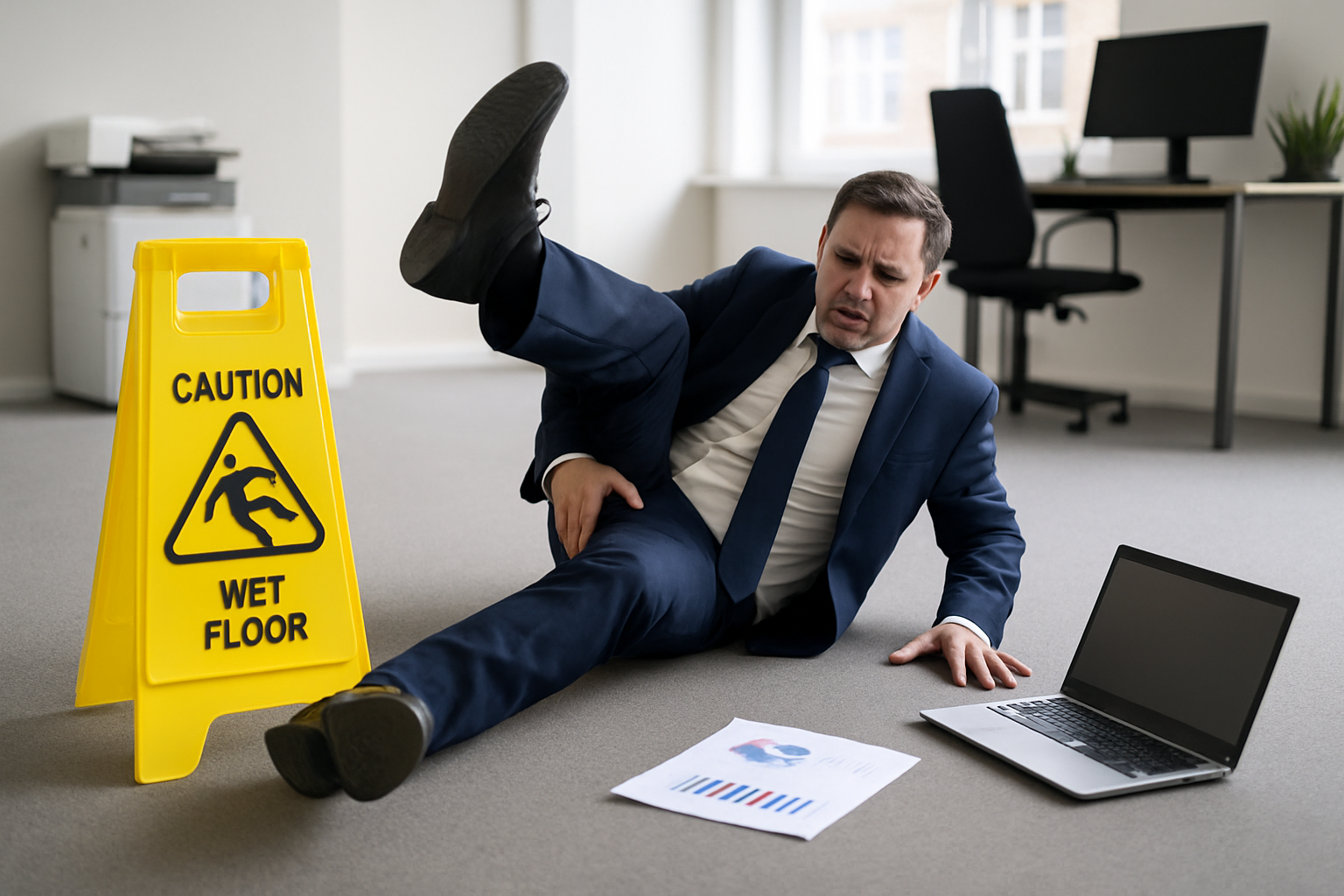
Employee Impact and Recovery Time
Beyond the financial calculations, understanding slip and fall injury recovery time employees require is crucial for workforce planning and empathy-driven leadership. The average slip and fall injury results in 11 days away from work, but severe incidents can require months of recovery.
Common Injury Types and Recovery Timelines
Sprains and strains represent 55% of slip and fall injuries, typically requiring 2-6 weeks for recovery. Fractures account for 20% of incidents, often necessitating 6-12 weeks of healing time. Back injuries can be particularly problematic, sometimes requiring months of physical therapy and resulting in permanent restrictions.
For small businesses operating with lean teams, even the shorter recovery periods create significant operational challenges. A single injured employee in a 10-person operation represents a 10% reduction in workforce capacity—a substantial hit to productivity and service delivery.
Statistical Breakdown by Workplace Environment
Understanding where and when slip and fall accidents occur helps business owners allocate prevention resources effectively:
Location of Incidents
- 35% occur on walking surfaces (floors, sidewalks, parking lots)
- 25% happen on stairs or steps
- 15% involve ramps or inclines
- 25% occur in other locations (ladders, platforms, vehicles)
Contributing Factors
Research identifies the primary causes of workplace slip and fall incidents:
- Wet or contaminated surfaces (55%): Spills, weather-related moisture, cleaning operations
- Uneven surfaces (22%): Damaged flooring, unexpected elevation changes, carpeting issues
- Poor lighting (10%): Insufficient illumination obscuring hazards
- Improper footwear (8%): Employees wearing inappropriate shoes for conditions
- Obstructed view (5%): Carrying large items, visual distractions
Temporal Patterns
Slip and fall incidents show clear patterns throughout the workday and year. The highest risk periods occur during opening and closing routines when cleaning operations coincide with employee movement. Monday mornings see elevated incident rates, likely due to accumulated weekend hazards and employees re-acclimating to work routines.
Seasonally, Montana businesses face distinct challenges. Winter months from November through March see dramatic increases in slip and fall incidents, with ice and snow creating hazardous conditions in parking lots, entryways, and walkways.
The ROI of Prevention: Why Investing in Safety Makes Financial Sense
The most compelling argument for slip and fall prevention isn’t regulatory compliance or moral obligation—it’s pure financial logic. Studies consistently demonstrate that every dollar invested in workplace safety returns between $2 and $6 in cost savings.
The connection between preventing slip and fall reduces insurance costs is direct and quantifiable. Insurance carriers reward businesses with strong safety records through lower premiums, better terms, and higher deductible options that reduce overall insurance spending.
Calculating Your Potential Savings
Consider a small business with 15 employees and an annual workers’ compensation premium of $45,000. A single significant slip and fall claim costing $75,000 could increase premiums by 30-50% for three to five years—an additional $67,500 to $112,500 in premium costs over that period.
Conversely, businesses that implement comprehensive fall prevention programs and maintain claim-free periods see their experience modification rates decrease, directly reducing insurance costs. A business that reduces its EMR from 1.2 to 0.8 through effective safety practices could save $18,000 annually on a $100,000 premium base.
Essential Prevention Strategies for Small Business Owners
Effective slip and fall prevention doesn’t require massive capital investment. The most successful programs combine physical improvements, procedural changes, and cultural shifts.
Physical Environment Controls
Surface management: Install slip-resistant flooring in high-risk areas. Ensure proper drainage in areas exposed to moisture. Maintain flooring regularly, repairing damage promptly.
Lighting optimization: Ensure minimum 30 foot-candles of illumination in walkways and work areas. Install motion-activated lighting in areas with intermittent traffic. Conduct regular lighting audits to identify and replace failing fixtures.
Weather management: Develop comprehensive winter safety protocols including frequent ice removal, deployment of absorbent mats at entrances, and designated snow-free pathways.
Procedural Controls
Housekeeping protocols: Implement immediate spill response procedures. Create and enforce policies requiring prompt cleanup of any liquid or debris. Establish regular inspection schedules with documented walkthroughs.
Warning systems: Deploy highly visible wet floor signs immediately when hazards exist. Ensure signage remains in place until surfaces are completely dry. Consider implementing barrier systems for more significant hazards.
Maintenance schedules: Document all maintenance activities. Prioritize issues that create fall hazards. Establish vendor relationships for rapid response to emergency repairs.
Cultural and Training Controls
Employee training: Conduct comprehensive onboarding safety training for all new hires. Provide refresher training quarterly. Train employees to identify and report hazards immediately.
Reporting systems: Create non-punitive reporting mechanisms encouraging employees to identify potential hazards. Implement near-miss reporting to identify risks before injuries occur. Respond visibly to all reports to demonstrate management commitment.
Leadership commitment: Model safe behaviors at all organizational levels. Allocate budget specifically for safety improvements. Recognize and reward safety-conscious behavior.
Regulatory Compliance and Documentation
OSHA’s General Duty Clause requires employers to provide a workplace free from recognized hazards. While OSHA doesn’t have a specific “slip and fall” standard, violations are typically cited under walking-working surfaces regulations (29 CFR 1910 Subpart D).
Small businesses should maintain comprehensive documentation including:
- Regular safety inspection logs with photographs
- Maintenance and repair records
- Training records for all employees
- Incident reports for all accidents and near-misses
- Corrective action documentation
This documentation serves dual purposes: demonstrating due diligence in the event of an incident and providing data to refine your prevention efforts.
Creating Your Slip and Fall Prevention Action Plan
Developing an effective prevention strategy begins with assessing your current risk profile. Conduct a comprehensive facility walkthrough identifying all potential hazards. Prioritize remediation based on likelihood and severity.
Establish clear metrics to track program effectiveness: incident rates, near-miss reports, safety inspection findings, and associated costs. Review these metrics quarterly, adjusting your program based on data-driven insights.
For Montana businesses, seasonal planning is essential. Develop specific protocols for winter weather, testing and refining procedures before the first snowfall. Consider engaging local vendors for snow removal and ice management well in advance of peak season.
Conclusion: Investing in Prevention Protects Your Business
Workplace slip and fall injury statistics and costs represent one of the most significant controllable expenses small business owners face. With average incidents costing nearly $50,000 in direct expenses and potentially four times that amount in indirect costs, the financial argument for prevention is overwhelming.
More importantly, these statistics represent real people—your employees—whose lives are disrupted by preventable injuries. By implementing comprehensive prevention strategies, you simultaneously protect your workforce, reduce costs, improve insurance positioning, ensure regulatory compliance, and strengthen your business’s operational resilience.
The question isn’t whether you can afford to invest in slip and fall prevention—it’s whether you can afford not to. For small businesses operating on tight margins, a single significant incident can create financial stress that persists for years. Proactive prevention transforms this risk into a competitive advantage, positioning your business as a safer, more efficient, and more attractive place to work.
Start today by conducting a thorough facility assessment, engaging your team in hazard identification, and committing resources to systematic prevention. Your employees, your insurance carrier, and your bottom line will thank you.