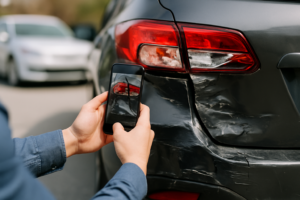

For small business owners in Billings, Montana, a vehicle accident involving company vehicles or employees can quickly escalate from a minor inconvenience to a significant liability issue. Properly exchanging insurance information at the accident scene isn’t just about following protocol—it’s about protecting your business assets, minimizing legal exposure, and ensuring smooth claims processing.
Understanding the nuances of what to do after a car accident in Montana is critical for business owners who want to avoid costly mistakes that could impact their bottom line.
Why Proper Insurance Information Exchange Matters for Your Business
When your company vehicle or an employee driving on company business is involved in an accident, the stakes are considerably higher than a personal fender bender. Incomplete or incorrect insurance information can lead to:
- Delayed claims processing that keeps vehicles out of service longer
- Increased liability exposure if documentation is insufficient
- Higher insurance premiums due to mishandled claims
- Potential legal complications that require expensive attorney involvement
- Workers’ compensation issues if employee injuries aren’t properly documented
The cost of getting this wrong extends far beyond the immediate accident. Business owners must consider the operational impact of vehicle downtime, potential increases in insurance costs, and the administrative burden of resolving disputes that arise from incomplete documentation.
Essential Information to Collect at the Accident Scene
When an accident occurs in Billings, time is critical. Your employees should be trained to collect comprehensive information systematically. Here’s what they need to gather:
From the Other Driver
- Full legal name as it appears on their driver’s license
- Current driver’s license number and issuing state
- Insurance company name and policy number
- Insurance agent’s contact information if available
- Policy effective dates to verify coverage was active
- Personal contact information including phone number and email
- Vehicle registration details to confirm ownership
- License plate number and vehicle identification number (VIN)
From the Scene
Beyond insurance details, your employees should document the accident thoroughly. This includes documenting car accident damage with photos from multiple angles and gathering witness contact information. This comprehensive approach supports your insurance claim and protects against fraudulent counter-claims.
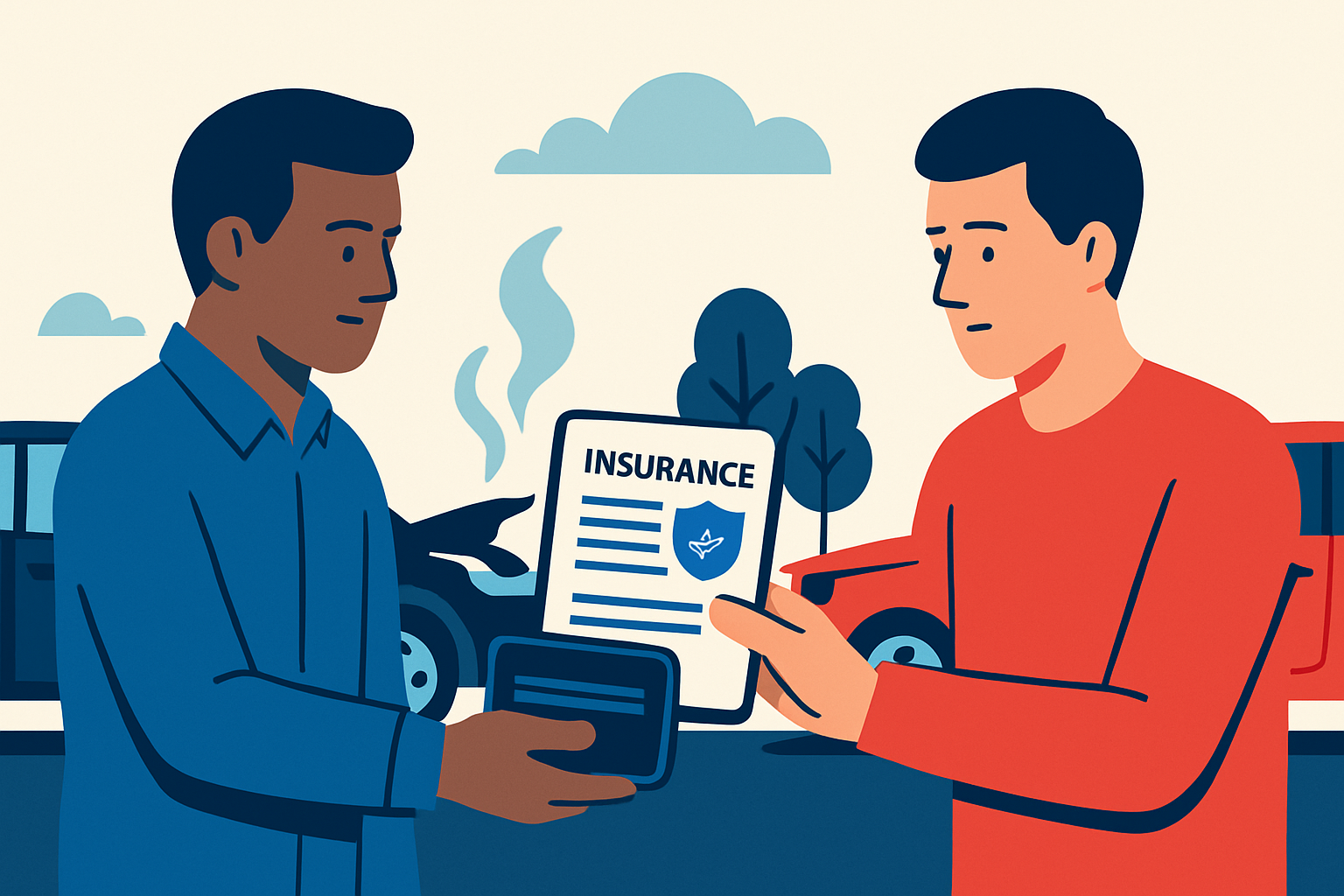
Montana-Specific Considerations for Billings Businesses
Montana law requires specific actions following an accident, and understanding Montana car accident reporting requirements is non-negotiable for business owners. If the accident results in injury, death, or property damage exceeding $1,000, you must report it to law enforcement and file a written report with the Montana Motor Vehicle Division within 10 days.
Business owners should also know when to call police after fender bender Montana situations, as having an official police report strengthens your documentation and provides an objective third-party account of the incident.
Commercial Insurance Complexities
If your business operates commercial vehicles, the insurance exchange process involves additional layers. Commercial policies often have different coverage limits, multiple insured parties, and specific reporting requirements. Your employees must understand whether they’re exchanging information about a commercial or personal policy, as this affects how claims are processed.
Creating a Business Protocol for Insurance Information Exchange
Smart business owners don’t leave accident response to chance. Develop a standardized protocol that every employee understands and can execute under pressure:
- Equip every company vehicle with an accident information kit containing pre-printed forms, your company’s insurance card copies, a camera or smartphone for documentation, and emergency contact numbers
- Train employees regularly on proper information exchange procedures, emphasizing the importance of remaining calm and professional
- Establish clear reporting chains so accidents are immediately communicated to management and your insurance provider
- Document everything before vehicles are moved, when possible and safe to do so
- Never admit fault or make statements about liability—stick to factual information exchange
What NOT to Do During Information Exchange
Equally important is knowing what to avoid. Instruct your employees to never:
- Apologize or make statements that could be construed as admitting liability
- Discuss insurance coverage limits with the other party
- Accept cash settlements on the spot without proper documentation
- Leave the scene without exchanging complete information
- Provide insurance information to anyone other than the other driver, law enforcement, or official parties
Protecting Your Business: Next Steps After Information Exchange
Once information has been exchanged, your work isn’t finished. Business owners must act quickly to protect their interests:
Contact your insurance provider immediately. Most commercial policies require prompt notification—delays can jeopardize coverage. Provide your insurer with all collected information and documentation.
Verify the other party’s insurance. Before authorizing any repairs or assuming liability, confirm that the other driver’s policy is active and covers the accident. Your insurance agent can typically assist with this verification.
Consider medical evaluation. If any employees were in the vehicle, understanding should I go to hospital after minor car accident scenarios becomes crucial for both their wellbeing and your workers’ compensation obligations.
Understand your legal timeline. The Montana auto accident statute of limitations gives you three years to file a lawsuit for property damage or personal injury, but gathering evidence and building your case should begin immediately.
Leveraging Technology for Better Documentation
Modern business owners can use technology to streamline the information exchange process. Consider implementing:
- Mobile apps designed for accident documentation that prompt users to collect all necessary information
- Cloud storage for immediate backup of photos and documentation
- GPS tracking systems that automatically record vehicle location and impact data
- Digital insurance cards that can’t be lost or forgotten in glove compartments
The ROI of Proper Accident Protocol
Implementing comprehensive accident response procedures requires upfront investment in training and resources, but the return on investment is substantial. Businesses with standardized protocols experience faster claims resolution, fewer disputes, lower legal costs, and better relationships with insurance carriers—often resulting in more favorable premium rates.
For Billings-area businesses, where winter weather and rural highways create additional accident risks, having employees who can confidently and correctly exchange insurance information protects your most valuable assets: your people, your vehicles, and your business reputation.
Taking the time to establish clear procedures and train your team on proper insurance information exchange isn’t just risk management—it’s a strategic business decision that demonstrates your commitment to professional operations and employee safety.