

When a workplace accident, business-related incident, or other tragedy results in a fatality, understanding who has the legal right to pursue wrongful death claims in Montana becomes critically important. For small business owners, this knowledge is essential not only for managing potential liability exposure but also for supporting employees and their families during difficult times.
Montana’s Statutory Framework for Wrongful Death Standing
Montana law establishes specific rules about who possesses legal standing to file a wrongful death lawsuit. Unlike some states that allow multiple parties to file separate claims, Montana follows a strict hierarchy that determines exactly who may bring an action on behalf of the deceased.
Under Montana Code Annotated § 27-1-513, the right to file a wrongful death lawsuit is limited to specific family members and representatives. This statutory limitation serves to prevent duplicate claims and ensures that any recovered wrongful death damages available in Montana are distributed according to the state’s established framework.
The Priority System: Who Files First
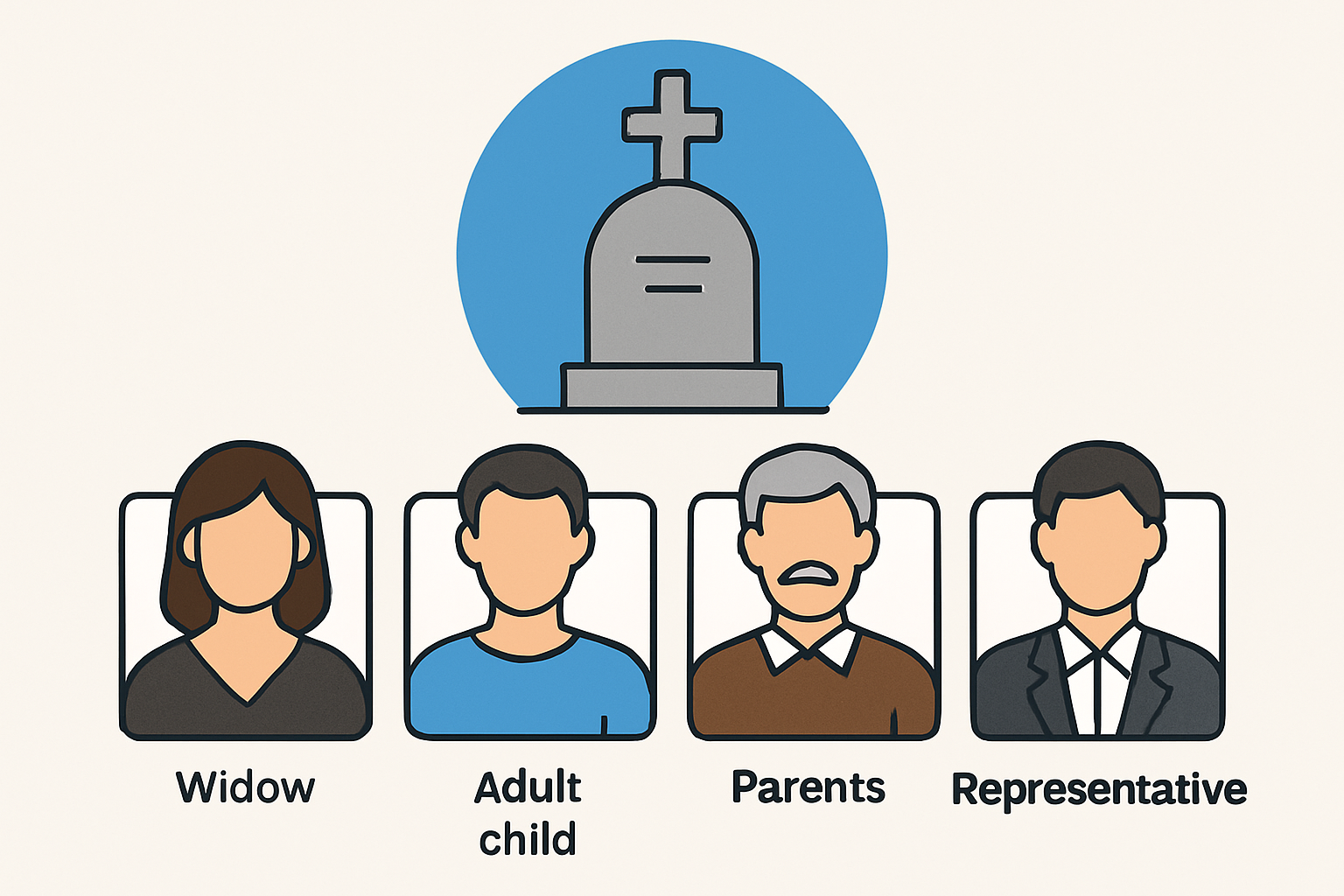
Montana establishes a clear priority order for wrongful death claims. Understanding this hierarchy is crucial for business owners who may be responding to claims or coordating with insurance carriers.
Surviving Spouse and Children
The primary right to file a wrongful death lawsuit belongs to the surviving spouse, children, or both. If a married employee with children dies due to workplace negligence or a business-related incident, the spouse and children collectively hold the initial right to pursue legal action. These family members may file jointly or designate one party to represent their collective interests.
For business owners, this means that initial communications regarding a potential claim typically come from or involve the immediate family members of the deceased.
Parents of Unmarried Deceased Without Children
When the deceased was unmarried and had no children, the right to file transfers to the parents. This scenario often applies in cases involving younger employees who have not yet established their own families. Parents may pursue claims for their own losses, including the loss of companionship and financial support they may have received from their adult child.
Personal Representative of the Estate
If the deceased left no surviving spouse, children, or parents—or if these parties choose not to pursue a claim—the personal representative of the estate may file the wrongful death lawsuit. The personal representative is typically named in the deceased’s will or appointed by the probate court.
Business owners should note that even when a personal representative files the claim, any damages recovered are distributed to the deceased’s heirs according to Montana’s intestacy laws, not to the estate’s creditors.
Time Constraints: The Intersection of Standing and Deadlines
Having legal standing means nothing without timely action. Montana imposes strict deadlines on wrongful death claims, and understanding the Montana wrongful death statute of limitations is essential for all parties involved. Generally, eligible parties must file within three years of the death, though exceptions exist in cases involving delayed discovery or claims against government entities.
From a business risk management perspective, the statute of limitations period represents the window during which your organization remains exposed to potential litigation. Maintaining thorough documentation throughout this period is critical.
What Business Owners Need to Know About Multiple Potential Claimants
Even though Montana law restricts who can file a wrongful death lawsuit, multiple family members may have interests in the outcome. A surviving spouse and three adult children, for example, all hold rights under the law, though they must pursue their claim collectively rather than filing separate lawsuits.
This consolidation requirement actually benefits businesses by preventing the need to defend against multiple lawsuits arising from the same incident. However, it also means that settlement negotiations may involve multiple stakeholders with potentially different priorities and perspectives on appropriate Montana wrongful death settlement amounts.
Standing in Business Context: Workplace Deaths and Contractor Relationships
Small business owners frequently ask whether the nature of the employment relationship affects who can file a wrongful death claim. The answer is that standing depends on family relationships, not employment status. Whether the deceased was a W-2 employee, independent contractor, or even a customer, the same rules apply regarding who may file suit.
However, the employment classification significantly impacts other aspects of the claim, particularly whether workers’ compensation exclusivity rules apply. This intersection of wrongful death law and employment law requires careful analysis, especially when proving negligence in Montana wrongful death cases that occur in workplace settings.
When No Eligible Party Exists
In rare cases, a deceased individual may have no surviving spouse, children, parents, or estate. In these situations, no wrongful death claim can proceed under Montana law. While this eliminates legal liability for wrongful death damages, it doesn’t necessarily resolve all legal exposure, as other claims or regulatory actions may still apply.
Practical Implications for Risk Management
Understanding who can file a wrongful death lawsuit in Montana should inform your business’s risk management strategies. Consider these practical steps:
- Document thoroughly: Maintain detailed records of safety protocols, training, and incident reports that could become relevant if a wrongful death claim is filed.
- Review insurance coverage: Ensure your liability policies adequately cover potential wrongful death claims and understand how wrongful death attorney fees Montana courts might award factor into settlement negotiations.
- Train management: Ensure supervisors understand proper procedures following any serious incident, including appropriate communication with families while protecting legal interests.
- Consult legal counsel early: When a fatality occurs in connection with your business operations, immediate consultation with experienced legal counsel is essential.
Moving Forward With Knowledge and Preparation
While no business owner wants to contemplate wrongful death liability, understanding Montana’s standing requirements represents an important component of comprehensive risk management. By knowing who can bring claims, when they must act, and how the legal framework operates, you can better protect your business while ensuring appropriate support for affected families.
Whether you’re reviewing your current liability exposure, responding to an incident, or simply strengthening your understanding of Montana business law, this knowledge forms a foundation for responsible business operations in our state. The legal landscape surrounding wrongful death claims continues to evolve, making ongoing education and expert consultation valuable investments in your business’s long-term stability.