
As a business owner in Montana, understanding the legal landscape surrounding burn injuries is not just about compliance—it’s about protecting your business from potentially devastating liability claims while ensuring you’re prepared to handle workplace incidents appropriately. Burn injuries can occur across various industries, from restaurants and manufacturing facilities to chemical plants and construction sites, making this knowledge essential for virtually every Montana business owner.
The Business Impact of Burn Injuries in Montana
Burn injuries represent one of the most serious workplace hazards Montana businesses face. According to national workplace safety data, thermal injuries account for thousands of workers’ compensation claims annually, with costs often exceeding those of other injury types due to the intensive medical treatment required and extended recovery periods.
For business owners, a single burn injury incident can result in:
- Substantial workers’ compensation premium increases
- Potential OSHA citations and fines
- Civil liability claims beyond workers’ compensation
- Reputational damage affecting client relationships and recruitment
- Operational disruptions during investigations and remediation
Understanding your legal obligations and potential exposures is the first step toward effective risk management.
Types of Burn Injuries and Associated Legal Implications
Different burn severities carry different legal and financial implications for Montana businesses. Burns are medically classified into first, second, and third-degree categories, with each presenting unique challenges from a liability perspective.
First and Second-Degree Burns
While these injuries are typically less severe, they still trigger legal obligations under Montana workers’ compensation law. Business owners must report these injuries appropriately and ensure injured employees receive necessary medical attention. Failure to document and report even minor burns can create compliance issues and potentially expose your business to penalties.
Third-Degree and Catastrophic Burns
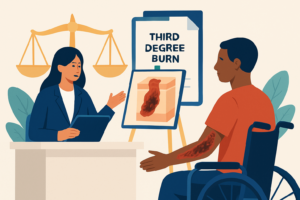
Severe burn injuries create substantially greater legal exposure for businesses. These cases often involve extensive medical treatment, permanent scarring, disability, and significant pain and suffering. The third degree burn injury compensation involved in these cases can reach into hundreds of thousands or even millions of dollars, depending on circumstances and negligence factors.
Montana Workers’ Compensation and Burn Injuries
Montana operates under a workers’ compensation system that generally provides the exclusive remedy for employees injured on the job, including burn injuries. This system offers important protections for employers by limiting liability in exchange for providing no-fault coverage for workplace injuries.
Your Obligations as a Montana Employer
Montana law requires most businesses with employees to carry workers’ compensation insurance. When a burn injury occurs in your workplace, you must:
- Provide immediate first aid and arrange for medical treatment
- Report the injury to your workers’ compensation carrier within six days
- Complete required documentation accurately and promptly
- Cooperate with insurance adjusters and investigators
- Maintain the injured worker’s employment rights during recovery
Understanding workplace burn injury claims Montana processes helps ensure you meet these obligations while protecting your business interests during claims resolution.
When Workers’ Compensation Isn’t the Only Exposure
While workers’ compensation typically provides immunity from direct employee lawsuits, Montana business owners should understand situations where additional liability may arise:
Third-Party Liability Claims
If a burn injury involves defective equipment, products, or the negligence of contractors or other third parties, your business may face claims beyond workers’ compensation. These situations require careful investigation and coordination between your workers’ compensation carrier and general liability insurer.
Premises Liability Considerations
Burns involving customers, vendors, or other non-employees on your property fall outside workers’ compensation and are handled through Montana premises liability burn cases. These claims assess whether your business maintained reasonably safe conditions and provided adequate warnings about potential burn hazards.
Intentional or Grossly Negligent Conduct
Montana law provides limited exceptions to workers’ compensation exclusivity when employer conduct rises to the level of deliberate intent to injure or actual fraud. While these cases are rare, they underscore the importance of maintaining genuine safety programs and addressing known hazards promptly.
Industry-Specific Burn Injury Risks in Montana
Different Montana industries face distinct burn injury risks that require tailored prevention and legal preparedness strategies.
Food Service and Hospitality
Restaurants, hotels, and catering businesses regularly work with hot cooking surfaces, liquids, and steam. Slip-and-fall incidents involving hot equipment or substances create combined injury scenarios that complicate liability assessments. Business owners in this sector should maintain rigorous training protocols and document all safety procedures.
Manufacturing and Industrial Operations
Montana’s manufacturing sector, including food processing and metal fabrication, presents elevated burn risks from machinery, welding operations, and industrial chemicals. These businesses often face heightened scrutiny following burn injuries, with OSHA investigations and potential regulatory enforcement actions.
Chemical Handling and Agriculture
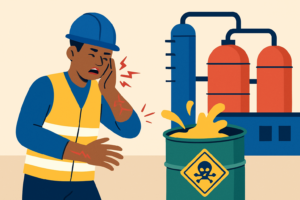
Businesses using caustic chemicals, pesticides, or other hazardous substances must understand their obligations regarding chemical burn injury at work rights. These cases often involve complex regulatory frameworks including OSHA hazard communication standards and EPA regulations.
Construction and Energy Sectors
Montana’s construction and energy industries face burn risks from electrical sources, explosives, and hot equipment. Multi-employer worksites create additional complexity in determining liability and ensuring adequate insurance coverage.
Critical Time Limits: Statute of Limitations Considerations
Montana business owners must understand that burn injury claims operate under strict time limitations. The Montana burn injury statute of limitations varies depending on the type of claim, but generally requires claims to be filed within three years of the injury date for personal injury actions.
For businesses, these time limits are significant because:
- Document retention policies must account for potential claims within the limitations period
- Insurance coverage must remain adequate even for injuries that occurred in prior policy periods
- Witness availability and memory degradation make early investigation critical
- Delayed claims discovery can surprise businesses that assumed matters were closed
Implementing systematic incident documentation and retention procedures protects your business when claims arise months or years after an incident.
Understanding Potential Financial Exposure
Montana business owners understandably want to understand the financial risks associated with burn injury claims. While every case depends on specific circumstances, burn injury settlement amounts Billings and throughout Montana can vary dramatically based on injury severity, long-term impacts, and liability factors.
Factors Affecting Claim Values
Several elements influence the financial exposure your business faces following a burn injury:
- Injury severity and permanence: Scarring, disfigurement, and functional limitations dramatically increase claim values
- Medical treatment costs: Burn treatment often requires specialized care, surgeries, and long-term rehabilitation
- Lost wages and earning capacity: Extended recovery periods and permanent disability affect compensation
- Comparative negligence: Montana applies modified comparative negligence rules that can reduce recovery if the injured party shares fault
- Gross negligence or safety violations: Egregious safety failures increase exposure substantially
Proactive Risk Management Strategies
Forward-thinking Montana business owners can significantly reduce burn injury risks and legal exposure through systematic safety management.
Comprehensive Safety Programs
Documented safety programs serve dual purposes: they prevent injuries and demonstrate reasonable care in liability claims. Effective programs include:
- Regular hazard assessments identifying burn risks specific to your operations
- Written safety protocols addressing identified hazards
- Mandatory employee training with documented attendance and comprehension testing
- Routine equipment inspection and maintenance schedules
- Clear reporting procedures for near-miss incidents and hazards
Insurance Coverage Review
Work with your insurance advisor to ensure appropriate coverage including:
- Adequate workers’ compensation limits and appropriate classifications
- General liability coverage addressing premises liability claims
- Product liability coverage if you manufacture or sell products
- Employment practices liability for wrongful termination claims following injuries
- Umbrella coverage providing additional protection beyond underlying policies
Incident Response Protocols
How your business responds immediately following a burn injury significantly impacts both the injured person’s recovery and your legal position. Establish clear protocols for:
- Immediate medical response and emergency contact procedures
- Scene preservation and documentation through photographs and witness statements
- Prompt notification to insurance carriers and legal counsel
- Communication with injured parties that balances compassion with legal prudence
- Investigation and remediation to prevent recurrence
Working with Legal Counsel
Montana business owners should establish relationships with experienced legal counsel before incidents occur. Early legal involvement provides several advantages:
Preventive counseling: Attorneys can review your safety programs, employee handbooks, and insurance coverage to identify gaps before problems arise.
Immediate response guidance: When a serious burn injury occurs, having counsel familiar with your business enables rapid response that protects your interests while ensuring appropriate care for injured parties.
Claims management: Legal counsel coordinates with insurance adjusters, investigators, and opposing counsel to achieve efficient, cost-effective claim resolution.
Regulatory defense: If OSHA or other regulatory agencies investigate following a burn injury, experienced counsel ensures your rights are protected throughout the process.
Documentation Best Practices
Meticulous documentation protects Montana businesses when burn injury claims arise. Implement these practices:
- Maintain comprehensive safety training records including dates, attendees, and materials covered
- Document all equipment inspections and maintenance activities
- Preserve incident reports, witness statements, and photographs indefinitely for serious injuries
- Retain personnel files demonstrating appropriate hiring, training, and supervision
- Keep insurance policies and certificates of insurance for all relevant periods
- Document all communications regarding safety concerns and hazard remediation
Moving Forward: Building a Culture of Safety and Preparedness
Understanding burn injury legal rights in Montana ultimately serves a greater purpose: creating workplaces where these injuries rarely occur. The most effective risk management strategy combines thorough legal knowledge with genuine commitment to employee safety.
Montana business owners who invest in comprehensive safety programs, maintain appropriate insurance coverage, understand their legal obligations, and establish relationships with qualified legal counsel position their businesses for sustainable success while protecting their most valuable asset—their employees.
The legal landscape surrounding burn injuries in Montana is complex, involving workers’ compensation law, premises liability, regulatory compliance, and insurance coverage issues. By approaching these matters proactively rather than reactively, you protect not only your business’s financial health but also its reputation and ability to continue serving Montana’s economy.
Whether you operate a restaurant in Billings, a manufacturing facility in Great Falls, or a construction company in Missoula, understanding burn injury legal rights isn’t optional—it’s an essential component of responsible business ownership in Montana.