
For small business owners in Montana, workplace burn injuries represent a significant legal and financial risk that demands proactive management. Understanding the complexities of workplace burn injury claims Montana involves is essential to protecting both your employees and your business’s bottom line. Whether you operate a restaurant, manufacturing facility, or construction company, the legal landscape surrounding these injuries requires careful attention.
Understanding Your Legal Obligations as a Montana Employer
Montana law requires most employers to carry workers’ compensation insurance, which serves as the primary remedy for workplace injuries, including burns. This no-fault system means injured employees typically receive benefits regardless of who caused the accident. However, this doesn’t eliminate all your legal exposure. Understanding comprehensive burn injury legal rights Montana workers and employers have is crucial to managing risk effectively.
The workers’ compensation system covers medical expenses, partial wage replacement, and disability benefits. For serious burns requiring extensive treatment, these costs can accumulate rapidly. Small businesses must ensure their coverage limits adequately reflect their actual risk exposure, particularly in high-hazard industries.
Common Workplace Burn Scenarios in Montana Businesses
Burn injuries in Montana workplaces occur across diverse settings. Restaurants face risks from hot oil, steam equipment, and open flames. Manufacturing facilities deal with molten materials, hot surfaces, and industrial equipment. Agricultural operations involve engine burns, electrical hazards, and chemical exposures. Understanding your industry-specific risks allows for better prevention strategies.
Chemical Burns: A Hidden Workplace Hazard
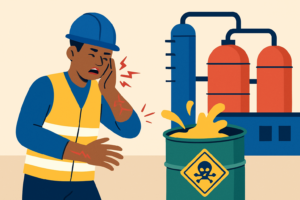
Chemical burns represent a particularly complex category of workplace injuries. Unlike thermal burns, chemical exposures can cause progressive tissue damage even after initial contact. Employees handling cleaning products, industrial solvents, or agricultural chemicals face these risks daily. If you employ workers who handle hazardous substances, familiarizing yourself with chemical burn injury at work rights becomes essential for both compliance and risk mitigation.
When Third-Party Liability Expands Your Exposure
While workers’ compensation typically provides exclusive remedy, third-party liability claims can create additional exposure for Montana businesses. If defective equipment, contractor negligence, or premises conditions contributed to a burn injury, your business might face litigation beyond the workers’ compensation system.
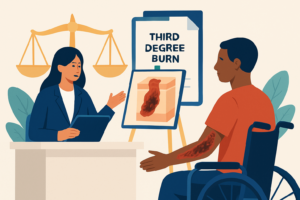
Consider a scenario where an employee suffers burns from a malfunctioning piece of leased equipment. The injured worker receives workers’ compensation benefits, but may also pursue a product liability claim against the manufacturer. As the employer, you could face allegations regarding inadequate safety protocols or improper maintenance. In situations involving severe injuries, understanding potential third degree burn injury compensation helps you assess true financial exposure.
Financial Impact: Beyond Insurance Premiums
The true cost of workplace burn injuries extends well beyond insurance claims. Your workers’ compensation premiums will increase following serious incidents, potentially for multiple years. Experience modification rates (EMR) directly impact your competitiveness when bidding on contracts or securing favorable insurance terms.
Indirect costs include productivity losses, overtime for replacement workers, equipment damage, investigation expenses, and potential OSHA fines. For severe burns requiring months of recovery, these indirect costs often exceed direct medical expenses by a factor of three or four. Being aware of typical burn injury settlement amounts Billings courts have awarded provides perspective on worst-case financial scenarios.
Critical Deadlines: Montana Statute of Limitations Considerations
While workers’ compensation claims follow different timelines than personal injury lawsuits, understanding the Montana burn injury statute of limitations remains important for business owners. Employees must report workplace injuries promptly, but complications can arise when injuries worsen over time or when third-party claims enter the picture.
Montana law generally requires employees to report workplace injuries within 30 days, though exceptions exist for occupational diseases or injuries with delayed symptoms. As an employer, maintaining clear documentation and incident reporting systems protects you from claims filed outside proper timeframes.
Risk Mitigation Strategies for Montana Business Owners
Proactive risk management offers the best protection against workplace burn injury claims. Start with a comprehensive safety audit identifying all potential burn hazards in your facility. High-risk equipment should have proper guarding, warning labels, and maintenance schedules.
Essential Prevention Measures
- Employee Training: Regular safety training specific to burn hazards, including proper emergency response procedures
- Personal Protective Equipment: Appropriate PPE for all tasks involving burn risks, with strict enforcement of usage policies
- Maintenance Programs: Scheduled inspection and maintenance of equipment that could cause burns
- Emergency Response: Accessible first aid supplies, eyewash stations, and emergency showers where appropriate
- Documentation Systems: Thorough records of safety training, equipment maintenance, and incident reports
Navigating Premises Liability Concerns
If your business hosts clients, vendors, or contractors on-site, premises liability adds another dimension to your burn injury exposure. Montana law holds property owners and occupiers responsible for maintaining reasonably safe conditions. A customer burned by improperly maintained equipment or a contractor injured due to undisclosed hazards could pursue Montana premises liability burn cases against your business.
This exposure extends beyond workers’ compensation protections, potentially threatening business assets directly. Adequate general liability coverage and proactive hazard management become essential safeguards.
Responding to a Workplace Burn Injury: Immediate Steps
When a burn injury occurs despite prevention efforts, your immediate response significantly impacts both the employee’s recovery and your legal position. Ensure the victim receives prompt medical attention, secure the accident scene for investigation, document conditions thoroughly with photographs, gather witness statements, and notify your insurance carrier immediately.
Avoid making statements about fault or liability. Express concern for the employee’s welfare while allowing the claims process to unfold properly. Many small business owners inadvertently create legal complications through well-intentioned but poorly considered statements made in the accident’s immediate aftermath.
Working With Legal and Insurance Professionals
Montana small business owners benefit from establishing relationships with qualified professionals before incidents occur. An experienced workers’ compensation attorney can review your safety protocols, insurance coverage, and response procedures. Insurance brokers specializing in your industry help ensure adequate coverage at competitive rates.
Following a serious burn injury, legal counsel helps navigate complex claims, particularly when third-party liability or disputed fault issues arise. The costs of professional guidance pale in comparison to the financial exposure from improperly managed claims.
Protecting Your Business While Supporting Injured Employees
Workplace burn injury claims Montana businesses face require balancing compassion for injured employees with prudent business protection. A safety-focused culture, comprehensive insurance coverage, clear documentation practices, and prompt professional guidance when incidents occur form the foundation of effective risk management.
By understanding your legal obligations, implementing robust prevention measures, and responding appropriately when injuries occur, you protect both your workforce and your business’s financial stability. In Montana’s close-knit business community, a reputation for safety and fair treatment of injured workers ultimately contributes to long-term success.